God Is Not Mentioned in the Constitution. Its Founders Did Not Intend a Christian Republic.
Kinda goes without saying, right?
I’m sure most on the conservative right would deny that there’s a desire to make the United States Christian. They might say they are only working on the pretense that the US was “founded on Christian principles.” But there are layers to that indeed, and I unequivocally believe that on an emotional level, many of us feel threatened by a country that is truly democratic and religiously pluralistic. Defense Secretary Pete Hegseth’s prayers at Pentagon meetings and his outrageous buffoonery quoting the movie Pulp Fiction as though it were from the Christian Old Testament belie a consumptive desperation to frame our governance within one worldview.
I think this fear of a culture and society and polity that must share so many points of view is a big part of our problem today. People are afraid they aren’t being understood, but then act out of fear or let their fear be manipulated.
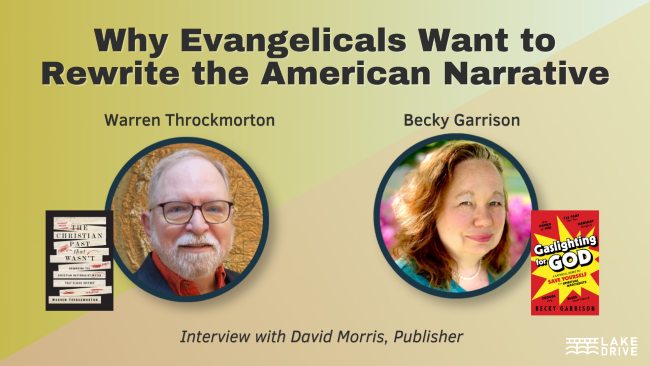
That’s the heart of a recent conversation I had with historian and psychologist Warren Throckmorton and religious satirist and author Becky Garrison. It turned into one of those discussions that started with history but quickly opened into something much bigger: Why are Americans so anxious right now? Why does religion keep getting weaponized politically? And what kind of future is possible beyond our current culture wars?
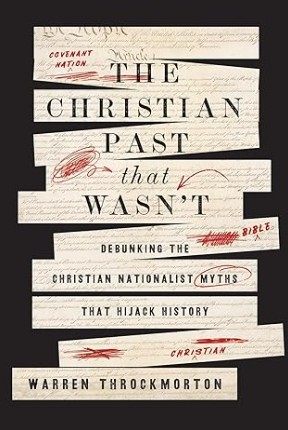
Warren joined to discuss his new book, The Christian Past That Wasn't: Debunking the Christian Nationalist Myths That Hijack History, which carefully dismantles the myths surrounding Christian nationalism and the founding of the United States. One of the most fascinating points he makes is that Americans have actually been fighting about this issue since the founding era itself. The founders themselves disagreed about religion and government, and many of the religious slogans people assume were always part of American civic life—such as “under God” in the Pledge of Allegiance—were actually added much later during the Cold War in the 1950s.
I have to admit, I often really want to know why. Why are some of us so bent on making our country Christian? What’s behind it? So I asked both our interviewees.
Warren offers that Christian nationalism is fundamentally rooted in fear: fear of social change, fear of losing cultural dominance, fear of outsiders, and fear of no longer being “in charge.” Movements built on grievance often seek political power as a substitute for spiritual confidence.
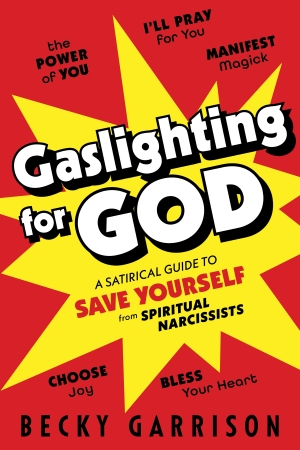
Becky Garrison brings a different but complementary angle through her book Gaslighting for God: A Satirical Guide to Save Yourself from Spiritual Narcissists. Becky has spent years writing about spiritual abuse, religious narcissism, and the manipulative behavior that can emerge inside institutional religion. In our conversation, she describes parts of American Christianity as experiencing a “narcissistic collapse”—a desperate attempt to reclaim a version of cultural power that no longer exists. Narcissism, at its core, is a matter of insecurity, and it will cause us to act out instead of look within.
What makes Becky’s perspective especially compelling is that she doesn’t just critique institutions; she speaks honestly about loneliness, community fragmentation, and people's hunger for authenticity. She argues that many people today are exhausted by performative outrage. What they really want are meaningful human relationships, shared experiences, and communities where they can actually breathe.
In the video, we also touch on the collapse of institutional trust, the rise of authoritarian movements, the Democratic Party’s disconnect from working-class voters, the emotional aftereffects of COVID, and why both religious and political communities are struggling to offer people a compelling sense of belonging.
We also find hope here, particularly around themes of recovering authentic local community and rediscovering the importance of the separation of church and state, which Warren calls one of America’s best ideas.
If you’re trying to make sense of the strange religious and political moment we’re living through right now, tune in to this very human conversation.
David Morris, Publisher