In the field of forest pathology, there is an interesting observed phenomenon that involves root diseases of trees. Diseases begin in the roots or lower area of the tree and often cause decaying wood to kill the tree. For most trees, root diseases can be the deadliest.
A specific type of root disease is called the black stain root disease, which is carried by certain types of beetles or weevils. According to the US Forest Service, this disease is especially treacherous for Douglas firs, and it not only impacts the growth of individual trees, but it can also spread to close, neighboring trees as well.
Just like trees suffering from root disease, deep in the soil of our lives, a lineage of trauma can exist. Rachel Marie Kang in The Matter of Little Losses shares, “We inherit injury through our bloodline. We carry the ache of our earliest ancestors, wearing life’s first loss like it is some kind of skin.”
Sometimes what happens to our families and to us, the hardships we endure, indeed the trauma too, all of it can have a purpose, a meaning. I’ve experienced it in my own life and witnessed this in the lives of women in recovery I’ve worked with or spoken to over the years. The men, too. No matter what gender you identify with, trauma is universal, as is the need to find coping strategies. Our trauma is only the beginning of our stories. When we look at the root of our issues, we can begin to heal.
I’ve heard people talk about “roots” in recovery meetings. Part of doing what Alcoholics Anonymous calls the fourth step is knowing that to heal, we need to get to the root of our problem with substances. To make a searching and fearless moral inventory of ourselves is to examine what the underlying causes are, dig deep beneath the surface, and expose what is hidden underground.
It is interesting to note that, below ground, roots are similar to the branches of a tree above ground in many ways. The difference, as the encyclopedia states, is that these branches “originate from internal tissue rather than from buds.” That internal tissue is probably the same substance as the roots connected to the branches.
So, what is the root of something we’re recovering from, and if it’s intergenerational trauma, what is the family root that caused it?
There is also trauma that isn’t as overt, but is equally as damaging. Perhaps this is a controversial statement (and truly, one not meant to downplay the suffering of anyone). There are different experiences that create trauma and roots.
There are those traumas that many of us can relate to, and then there are some like the experiences of Black Americans that women like me, though having experienced my own shades of trauma, will never know because of privilege as a white woman. I believe this is important to state here because of my limitations in talking about historical and intergenerational trauma for every person.
Wherever you find yourself in this conversation, I trust that you are right where you need to be as you are reading these words. I know I am in the writing of them. Right now, dear reader, I wish we could take a long, deep breath together.
Angela Yvonne Davis, American author and activist, says this: “I am no longer accepting the things I cannot change. I am changing the things I cannot accept.” That’s a different take on the Serenity Prayer.
Regardless of our identities or the specifics of our suffering (as important as these things are), the consequences of trauma for those who survive and their descendants can be catastrophic, becoming the bones and blood of the survivors—the very makeup of our DNA. If you consider how roots move like veins through the body, inextricably linked, we can feel how our collective experiences are connected, even in a minuscule way.
I’d like to argue that freedom—a supernatural freedom—can come when we recognize that we are sharing in the larger suffering of the world. We can lean into our individual struggle, and we can lean into our collective struggle. When we experience trauma or suffering that our families or other folks in the human family have experienced, we are sharing in the hard, beautiful truth of what it means to be human and what it means to work toward healing. Together. Even when what we experience is different. Even if we will never know the pain of someone else’s story, we can all relate to the tremor of trauma: this world’s trouble.
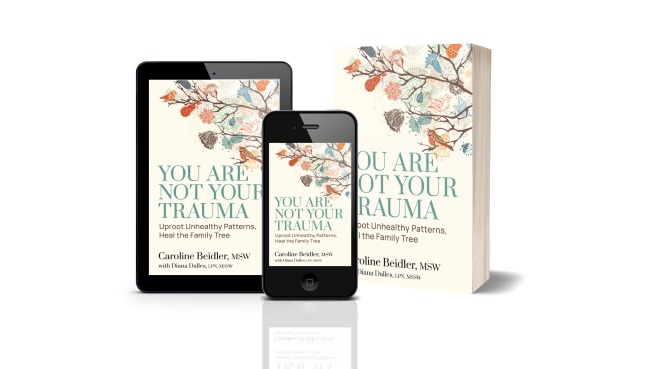
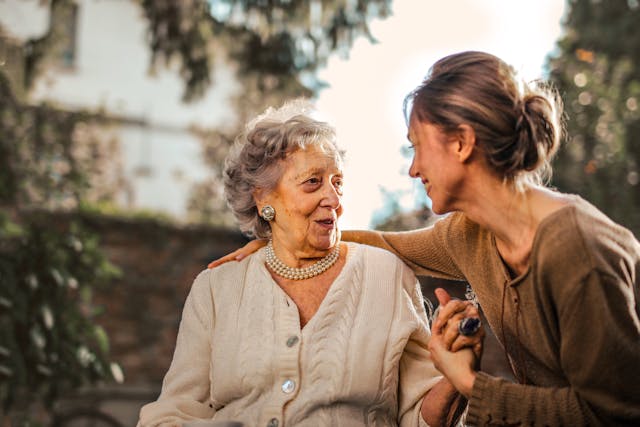
Adapted with permission from You Are Not Your Trauma: Uproot Unhealthy Patterns, Heal the Family Tree, by Caroline Beidler. Photo above by Andrea Piacquadio.
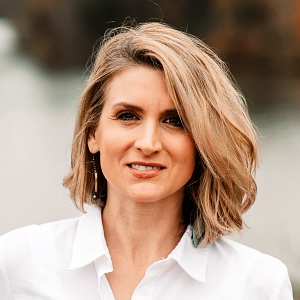
Caroline Beidler, MSW is an author, speaker, and the managing editor of Recovery.com, a company that combines independent research with expert guidance on addiction and mental health treatment. She is the author of three books: Downstairs Church, You Are Not Your Trauma, and When You Love Someone in Recovery: A Hopeful Guide for Understanding Addiction. Caroline has built a global network of recovery supporters through her storytelling platform and accompanying newsletter, Circle of Chairs on Substack, which reaches thousands weekly. She is a creative and visionary, founding the Women's Recovery Leadership Foundation. When she isn’t writing, speaking, or building community, Caroline lives in Eastern Tennessee with her husband and six-year-old twins.